
Understanding Shoulder Injuries That Occur During Deceleration
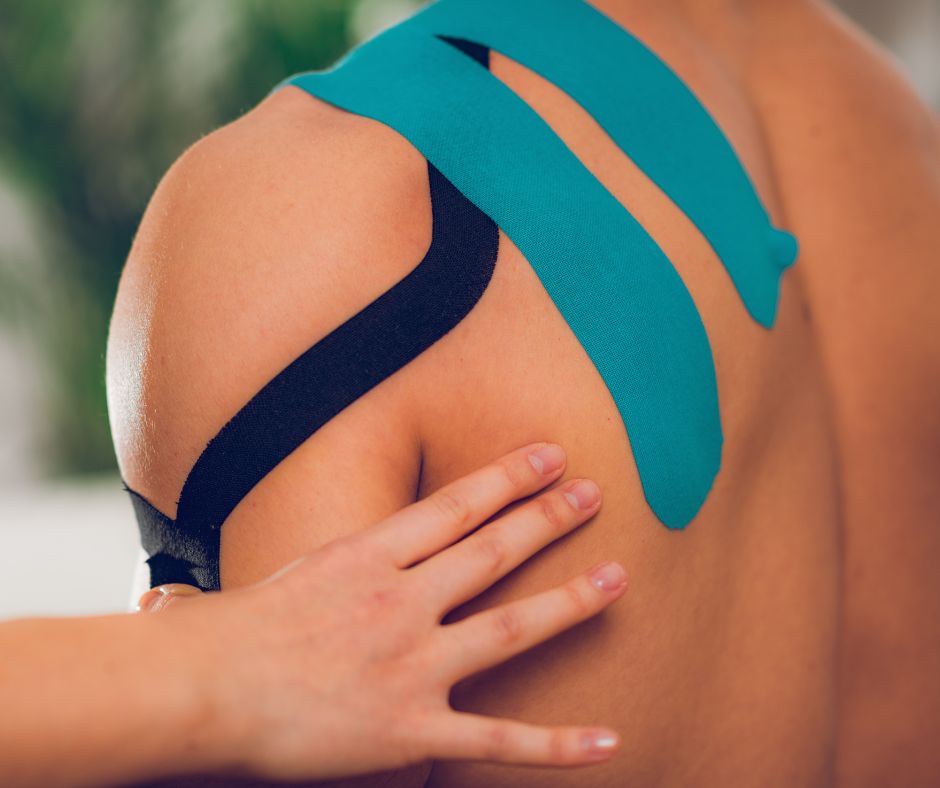
Shoulder injuries are common in athletes and active individuals, particularly those involved in sports that require throwing or other repetitive overhead motions. These injuries can be debilitating and can significantly impact an individual’s ability to perform their daily activities or participate in their sport. One specific mechanism of injury that can lead to shoulder injuries is deceleration. In this blog post, we will explore the various shoulder injuries that can occur during deceleration and how physical therapy can help.
At Peak Performance Physical Therapy, our physical therapists will help you find solutions to your pain and get back to living the life you enjoy!
What is Deceleration?
Deceleration is the act of slowing down or stopping movement. In sports, deceleration often occurs when an athlete stops abruptly, changes direction, or lands from a jump. These movements place a significant amount of stress on the shoulder joint and surrounding structures, leading to potential injuries.
Common Shoulder Injuries that Occur During Deceleration
Rotator Cuff Injuries: The rotator cuff is a group of muscles and tendons that stabilize the shoulder joint. During deceleration movements, the rotator cuff can become strained or torn, leading to pain and weakness in the shoulder. Rotator cuff injuries are particularly common in baseball players, as the repetitive overhead throwing motion places a significant amount of stress on the rotator cuff.
Labral Tears: The labrum is a ring of cartilage that lines the rim of the shoulder socket. During deceleration movements, the labrum can become pinched or torn, leading to pain and instability in the shoulder. Labral tears are commonly seen in athletes who participate in sports that require throwing or overhead motions, such as baseball or volleyball.
Shoulder Impingement: Shoulder impingement occurs when the tendons of the rotator cuff become pinched between the shoulder blade and the upper arm bone. During deceleration movements, the rotator cuff tendons can become compressed, leading to pain and weakness in the shoulder. Shoulder impingement is common in athletes who participate in sports that require repetitive overhead motions, such as swimming or tennis.
How Physical Therapy Can Help
Physical therapy can be an effective treatment option for individuals who have suffered shoulder injuries during deceleration. A physical therapist can evaluate the individual’s condition and develop a personalized treatment plan to help them recover from their injury. Treatment may include:
Strengthening Exercises: Strengthening exercises can help improve the strength and stability of the shoulder joint and surrounding muscles. These exercises may include rotator cuff strengthening exercises, scapular stabilization exercises, and shoulder blade strengthening exercises.
Range of Motion Exercises: Range of motion exercises can help improve the flexibility of the shoulder joint and surrounding muscles. These exercises may include stretching exercises and joint mobilization techniques.
Modalities: Modalities such as ice, heat, ultrasound, and electrical stimulation can help reduce pain and inflammation in the shoulder.
Functional Training: Functional training can help individuals regain the ability to perform their daily activities or participate in their sport. This may include sport-specific exercises and activities designed to improve the individual’s overall functional ability.
In conclusion, shoulder injuries that occur during deceleration can be debilitating and can significantly impact an individual’s quality of life. However, physical therapy can be an effective treatment option for individuals who have suffered these types of injuries. By working with a physical therapist, individuals can regain strength, mobility, and function in their shoulder joint, allowing them to return to their normal activities and sport.
Find relief today:
Addressing the pain early on is the best way to prevent an issue from becoming more debilitating. Physical therapy is the ideal tool for providing you with an opportunity to understand what may be causing your pain and helping you mobilize and strengthen the surrounding muscles to alleviate the pain associated with your injury. Schedule an appointment today to learn exercises and techniques that can help you overcome the injury and restore proper strength and functionality to your Sholder.