
Get Hip and Knee Pain Relief From Our Physical Therapists Today!
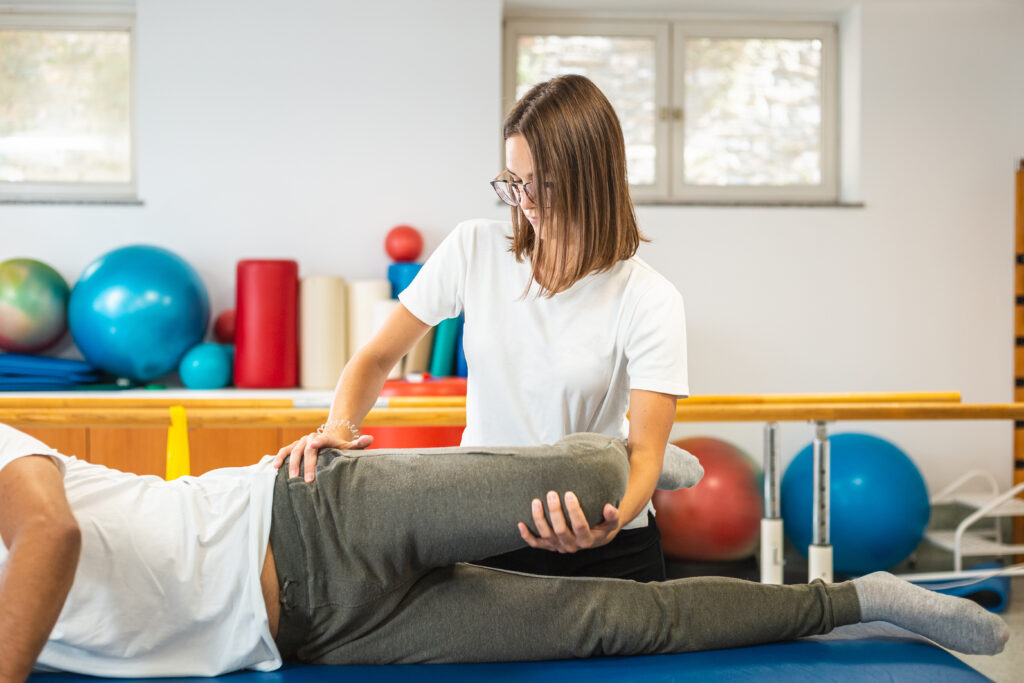
If you’ve been dealing with hip and knee pain for a long time, you may believe it’s permanent. After all, can you really get long-term relief from severe joint pain?
You can, in fact, and physical therapy is one of the best ways to do so! With the right physical therapy treatments, you can alleviate pain in your hips and knees and possibly even eliminate it entirely.
To learn more about your treatment options, contact Peak Performance Physical Therapy today!
What will physical therapy do for me?
Hip and knee pain can be extremely frustrating because it appears that no matter what you do, if you move, you will experience pain. However, there are ways to reduce your pain in the long run.
It may take some time and effort on your part, but physical therapy has been shown time and again to help patients of all ages and backgrounds reduce hip and knee pain.
Why does physical therapy provide such long-lasting pain relief? There are several reasons for this, including:
- Assisting you in living a healthy and active lifestyle. Regular exercise and a healthy lifestyle can significantly improve chronic hip and knee pain. Of course, to exercise, you must be able to move without significant pain, which physical therapy makes much easier. Your physical therapist can help you significantly improve your hip and knee pain and teach you how to exercise safely without injuring your joints. Physical therapy can help you regain strength and mobility so you can live a more active lifestyle.
- Learning proper movement techniques. Many times, the pain you’re feeling in your hips and knees is caused by poor movement patterns. They could have developed over time or as a result of an initial injury. These unhealthy movements put additional strain on your joints, leading to additional pain and injuries. Your physical therapist will assist you in identifying unhealthy movement patterns and will advise you on how to replace them with patterns that will protect your joints from further injury.
- Keeping future injuries at bay. One of the most frustrating aspects of joint pain is that it never seems to go away completely. Even if you rest for a while and feel better, the injury may flare up again when you go out and start moving again. However, with physical therapy exercises, you can become much stronger than before. The increased strength allows your muscles to better support your joints, reducing the likelihood of further joint irritation.
- Getting to the bottom of your problem. If you only treat the symptoms of a hip and/or knee problem, the problem will almost certainly return. However, if the source of the problem can be identified, the pain can be treated. Physical therapists use a process to identify the causes of hip and knee pain so that they can provide you with targeted treatments that address the root cause of your pain.
What’s the source of my hip and knee pain?
Hip and knee pain can be caused by a variety of issues. Some are caused by musculoskeletal misalignment, poor posture, and/or excess weight, while others are caused by natural aging or unhealthy sports/work habits. Your hip or knee pain could be caused by:
- Traumatic injuries, such as dislocation of the joint
- Postural/alignment issues that throw your body off balance, straining the knees or hips
- Runner’s knee, an instability of the kneecap
- Osteoarthritis, a painful inflammatory condition involving deteriorated joint cartilage
- Tendinitis, or stretched ligaments
- Bursitis, an inflammation of the friction-reducing sacs surround the joints
- Infections
Our physical therapist can determine the source of your hip or knee pain based on its location. Pain along the inside of the hip, for example, is more likely to be caused by a problem with the bones or cartilage. Pain on the outside is usually caused by an issue with the muscles, tendons, or ligaments.
Other causes of hip and knee pain are listed below:
Hip pain can be caused by a number of medical conditions as well as certain injuries. Tendon inflammation caused by over-exertion or an athletic injury can result in temporary or chronic hip pain. Tendinitis, dislocation, sprains, and pinched nerves can all cause or contribute to hip pain. Repetitive injuries or poor posture can also cause hip pain.
Knee pain can be caused by injuries such as torn cartilage or damaged ligaments. Common knee injuries include fractures, tendinitis, and knee bursitis. Knee pain can range from mild to severe due to medical conditions such as arthritis or gout. You may have stiffness or swelling in one or both knees. Standing, walking, or fully straightening your knee may be difficult. Knees will occasionally make popping or crunching noises.
We can help you find relief today
If you are experiencing hip or knee pain, we want you to know that we are here to help. Our physical therapy team can help you reduce your pain both temporarily and permanently.
Request an appointment with Peak Performance Physical Therapy today to get the relief you deserve!
Sources:
https://www.mayoclinic.org/symptoms/hip-pain/basics/definition/sym-20050684
https://www.health.harvard.edu/pain/why-weight-matters-when-it-comes-to-joint-pain