
The Role of Inflammation in Knee Pain: What You Need to Know
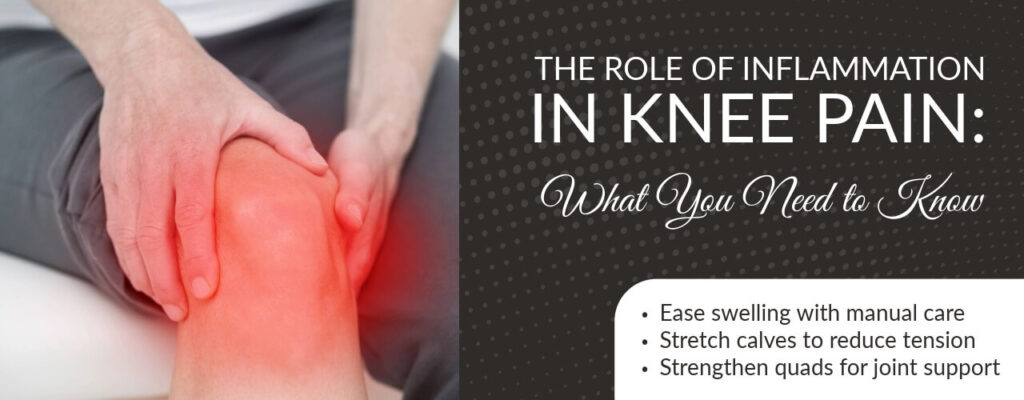
Knee pain is one of the most common issues seen in physical therapy clinics. While injuries and overuse are often part of the problem, inflammation is a major contributor to many types of knee discomfort. Whether caused by arthritis, strain, or post-surgical swelling, knee pain from inflammation can limit your ability to walk, exercise, and perform daily tasks. Understanding how inflammation affects the knee and how physical therapy helps manage it is the first step toward lasting relief.
At [site-name], we help patients identify the source of their pain and provide targeted strategies to reduce inflammation, improve function, and support recovery.
How Does Inflammation Cause Knee Pain?
Inflammation is the body’s natural response to injury or irritation. In the knee, inflammation may result from damaged tissues, repetitive motion, or degenerative conditions like osteoarthritis. When the joint becomes inflamed, fluid builds up, and the surrounding tissues become irritated. This creates pain, stiffness, and swelling.
Signs of Knee Inflammation
- Swelling around the knee joint
- Stiffness, especially in the morning or after sitting
- Warmth and redness around the joint
- Difficulty bending or straightening the knee
- A dull ache or sharp pain during movement
Physical therapy for inflammation-related knee pain focuses on reducing these symptoms through gentle exercise, manual therapy, and personalized education.
FAQ: Understanding and Managing Knee Pain from Inflammation
1. What are the most common causes of knee pain from inflammation?
Knee inflammation may come from multiple sources, including:
- Osteoarthritis
- Tendonitis
- Bursitis
- Ligament sprains or cartilage damage
- Overuse from sports or repetitive activity
- Post-surgical healing
Your physical therapist will evaluate the cause of your inflammation and tailor your treatment to address the specific problem.
2. Can physical therapy really reduce inflammation in the knee?
Yes. Physical therapy uses targeted techniques to decrease inflammation and restore function. This includes:
- Manual therapy to promote circulation and reduce stiffness
- Stretching to improve joint mobility
- Strengthening exercises to reduce stress on the knee
- Modalities such as ice, compression, and gentle movement to control swelling
By addressing the underlying causes of inflammation, therapy not only relieves pain but also helps prevent future flare-ups.
3. Is rest the best solution for knee inflammation?
While short periods of rest may be helpful during acute flare-ups, extended inactivity often leads to joint stiffness and muscle weakness. Physical therapy encourages controlled movement to maintain flexibility and improve blood flow, which supports healing.
Your therapist will guide you on how much activity is safe and when to progress your exercises.
4. What exercises can help reduce knee pain from inflammation?
Your therapist will design a program based on your diagnosis and symptoms. Common exercises may include:
- Gentle quad sets or straight leg raises
- Hamstring and calf stretches
- Step-ups or mini-squats
- Balance and stability drills
- Low-impact aerobic activity like cycling or walking in water
These exercises are introduced gradually and adjusted as your inflammation decreases and strength returns.
5. Can lifestyle changes help with chronic inflammation in the knee?
Yes. In addition to therapy, your recovery can be supported by:
- Maintaining a healthy weight to reduce joint pressure
- Staying active with low-impact exercise
- Eating a balanced diet with anti-inflammatory foods
- Avoiding long periods of sitting or standing
- Using proper footwear to support alignment
Your therapist at [site-name] can offer practical tips and modifications to help you manage inflammation throughout your day.
Knee Pain from Inflammation: How Physical Therapy Helps You Heal
Knee pain from inflammation does not have to become a permanent barrier to activity. Physical therapy provides a safe and proven way to manage swelling, improve strength, and support long-term joint health. By understanding what causes your inflammation and addressing it with a personalized plan, you can move with greater comfort and confidence.
At [site-name], our therapists use hands-on care, tailored exercises, and education to support your recovery and help you regain control over your movement.
Find Relief and Get Back to What You Enjoy
If your knee feels swollen, stiff, or painful, it may be time to seek professional support. Knee pain from inflammation responds well to guided therapy and early intervention. Contact [site-name] today to schedule your evaluation. Our team is ready to help you reduce discomfort, restore mobility, and stay active with care designed just for you.